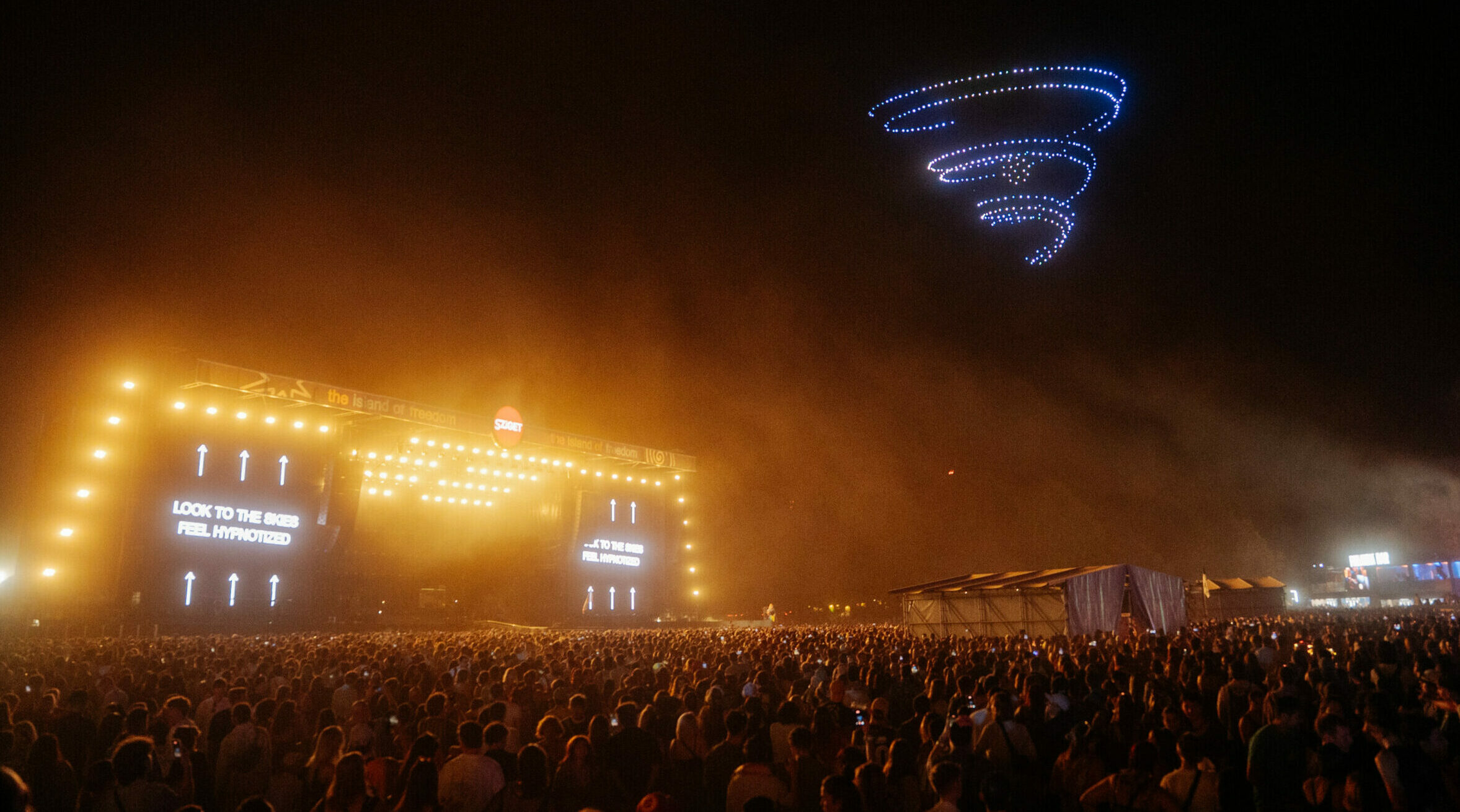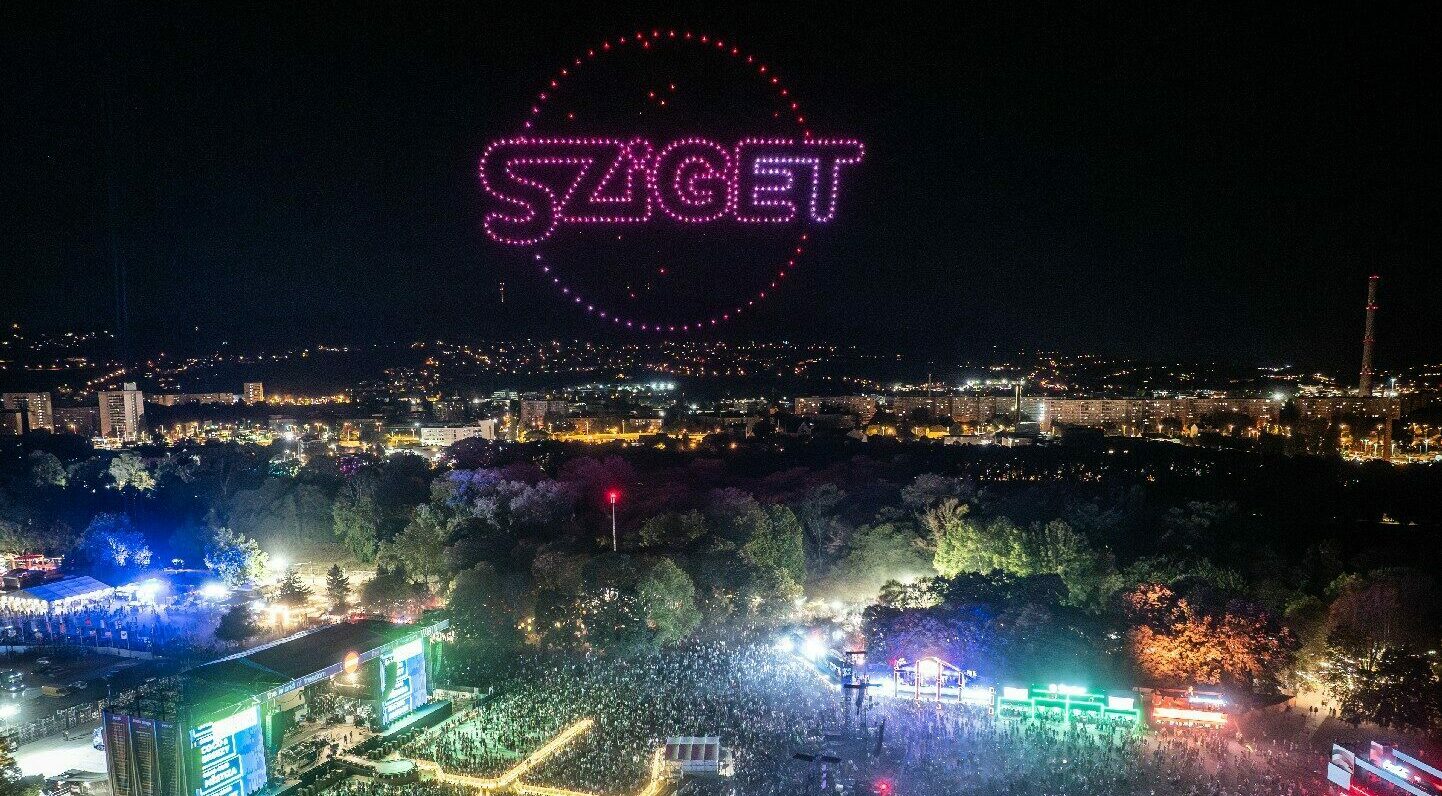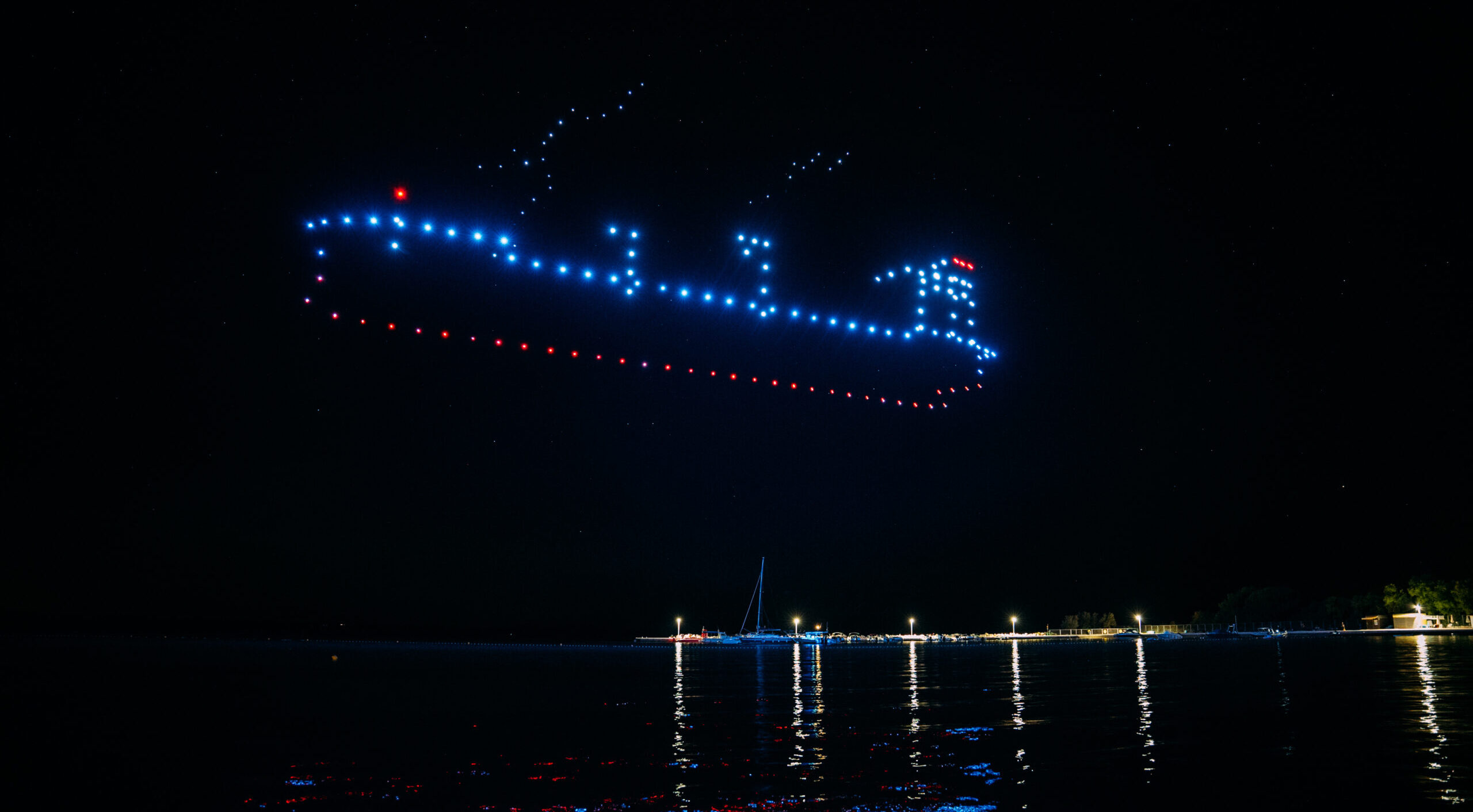

When hundreds of synchronized drones light up the night sky over European historic landmarks, music festivals, or stadium launch events, the visual impact is unforgettable. However, long before a single drone takes off, an extensive regulatory framework comes into play to ensure public safety and airspace security.
Operating drone light shows in Europe requires navigating stringent regulations set by the European Union Aviation Safety Agency (EASA) alongside National Aviation Authorities (NAAs) such as Germany’s LBA, France’s DGAC, Italy’s ENAC, Spain’s AESA, and Slovenia’s CAA. At Skydance Drone Light Shows, safety is not merely a checklist, it is the core foundation of every aerial performance we execute across the European continent.
This guide outlines the European drone show compliance landscape, explaining how risk assessments are conducted, what permits are necessary, and how event organizers can seamlessly navigate the approval process.
The European Drone Regulatory Framework: Understanding the 'Specific' Category
Under EASA regulations (Regulation EU 2019/947), unmanned aircraft operations are divided into three main categories: Open, Specific, and Certified. Because a light show involves swarm operations, automated flight trajectories, night flights, and proximity to assemblies of people, it falls strictly within the ‘Specific’ Category.
The ‘Specific’ category requires a comprehensive risk assessment and formal operational authorization from the relevant National Aviation Authority before any flight can take place.
Regulatory Pillar | EASA Standard / Tool | What It Means for Your Event |
Risk Methodology | SORA (Specific Operations Risk Assessment) | Determines Ground Risk Class (GRC) and Air Risk Class (ARC) to establish safety integrity levels (SAIL). |
Operational Authorization | CAA / NAA Permit | Formal approval granted by Civil Aviation Authorities allowing autonomous swarm flights in defined airspace. |
Cross-Border EU Standard | Article 13 Cross-Border Operational Authorization | Allows registered EU operators like Skydance to conduct shows seamlessly across all EU member states. |
5 Crucial Compliance Requirements to Secure Drone Show Approval

Securing flight clearance in European cities – whether in Munich, Paris, Ljubljana, Vienna, or Rome, requires strict adherence to five core safety operational pillars:
1) SORA Risk Assessment & SAIL Level Determination
- Every drone show location undergoes a rigorous SORA evaluation to assess ground risk (density of nearby populations) and air risk (proximity to controlled airspace or aerodromes).
- Mitigation strategies are documented to reduce the operational risk level (SAIL), demonstrating that potential failure scenarios are controlled with redundant technical fail-safes.
2) Geofencing, Virtual Cages & Standoff Distances
- Drones are strictly locked inside a digital 3D geofence (virtual cage). If a drone breaches the flight boundary, automated fail-safe return-to-home or immediate power-cut protocols activate instantly.
- European safety guidelines mandate a clear standoff buffer distance (typically 50 to 100+ meters) between the flight boundary and spectator areas.
3) Airspace Coordination & NOTAM Issuance
- Flawless coordination with Air Traffic Control (ATC) and regional airport authorities is mandatory.
- A NOTAM (Notice to Airmen) is published across aviation networks to restrict general aviation aircraft from entering the event’s flight volume during show windows.
4) Pilot Qualifications & Swarm Telemetry Control
- Under EASA rules, drone show pilots must hold advanced remote pilot certificates (A1/A3, A2, and Specific Category certifications).
- The Chief Pilot maintains real-time ground station telemetry monitoring, equipped with an independent hardware kill-switch and manual abort capabilities.
5) Ground Safety Perimeter & Emergency Protocols
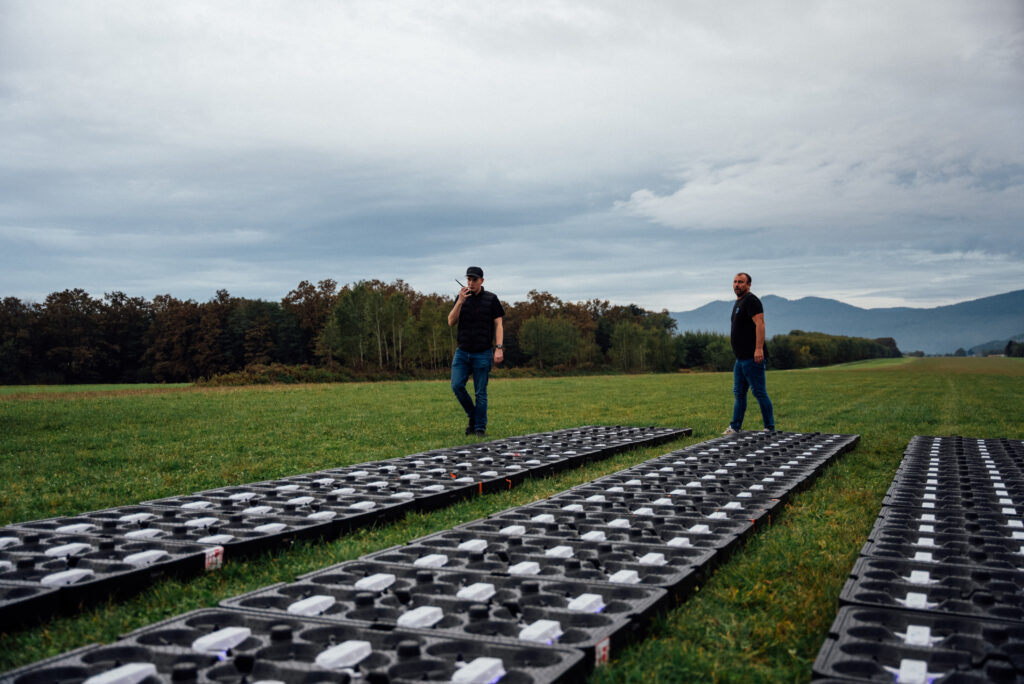
- Physical security fencing and dedicated ground marshals secure the launch and landing pad (takeoff grid).
- Emergency procedures – including local fire services notification, weather monitoring (wind limits strictly set at 8–10 m/s), and backup power systems – are fully established.
Step-by-Step Approval Timeline for European Events
To ensure a smooth event workflow, event organizers should understand the typical 2 to 8 week timeline required to secure regulatory approvals across European jurisdictions:
Weeks 1–2: Initial Site Audit & Airspace Feasibility
Skydance compliance officers conduct satellite and thermal site assessments to analyze airspace restrictions, urban density, satellite RTK GPS coverage, and spectator positioning.
Weeks 3–4: ConOps & SORA Submission to NAA
Our aviation team compiles the Concept of Operations (ConOps) and SORA risk documentation, submitting formal applications to the National Aviation Authority (e.g., CAA, LBA, DGAC).
Weeks 5–6: Local Permits & Emergency Notifications
Concurrent with CAA approval, coordination is finalized with local police, municipal emergency services, and city event licensing bodies.
Weeks 7–8: Operational Authorization & NOTAM
The National Aviation Authority issues the formal Operational Authorization. ATC issues the NOTAM 24–72 hours prior to flight night.
Event Day: Final Site Calibration & Go/No-Go Decision
On-site technicians conduct RTK GPS base station calibration, radio frequency spectrum sweeps, and pre-flight briefings. The Safety Officer issues final launch approval.
Cross-Border Operations: Seamless Flight Across EU Member States
One of the key advantages of EASA harmonization (EU Regulation 2019/947 Article 13) is cross-border recognition. As a certified European operator headquartered in Central Europe (Slovenia), Skydance Drone Light Shows utilizes streamlined cross-border application procedures to deploy drone fleets across Germany, Austria, Italy, France, Croatia, Switzerland, and the entire Schengen area without re-initiating full regulatory certification from scratch.
Why European Event Directors Partner with Skydance
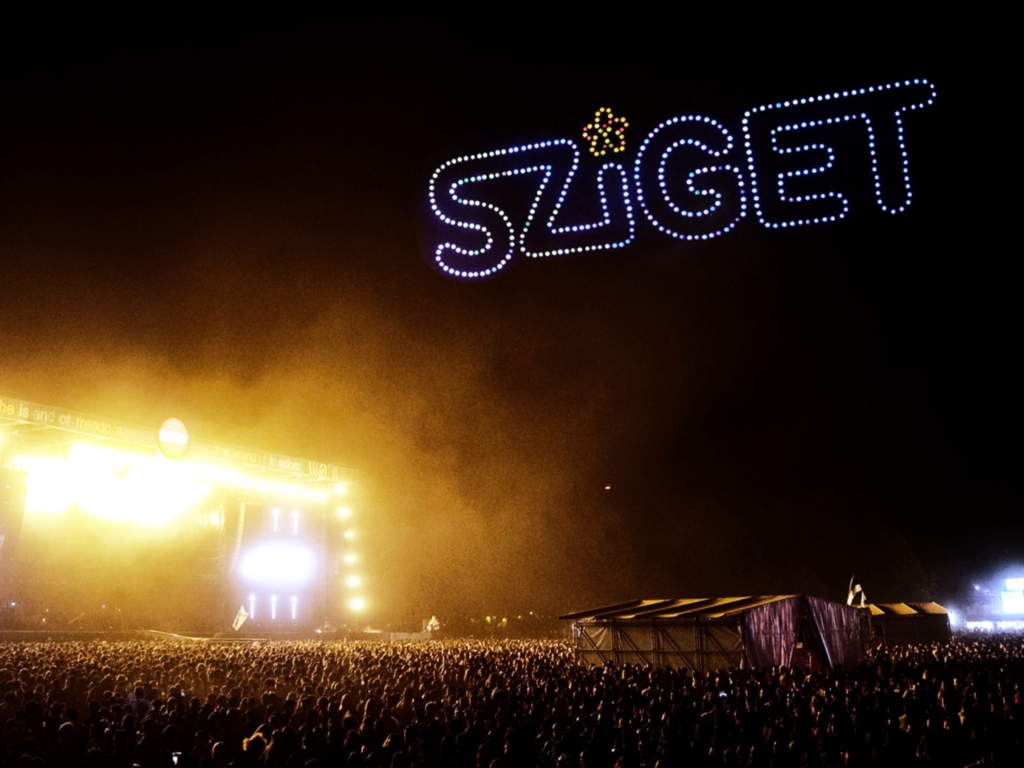
By handling 100% of the SORA compliance, CAA permits, local emergency coordination, and aviation insurance in-house, Skydance eliminates regulatory complexity for event organizers, allowing brands and municipalities to focus on delivering world-class entertainment.