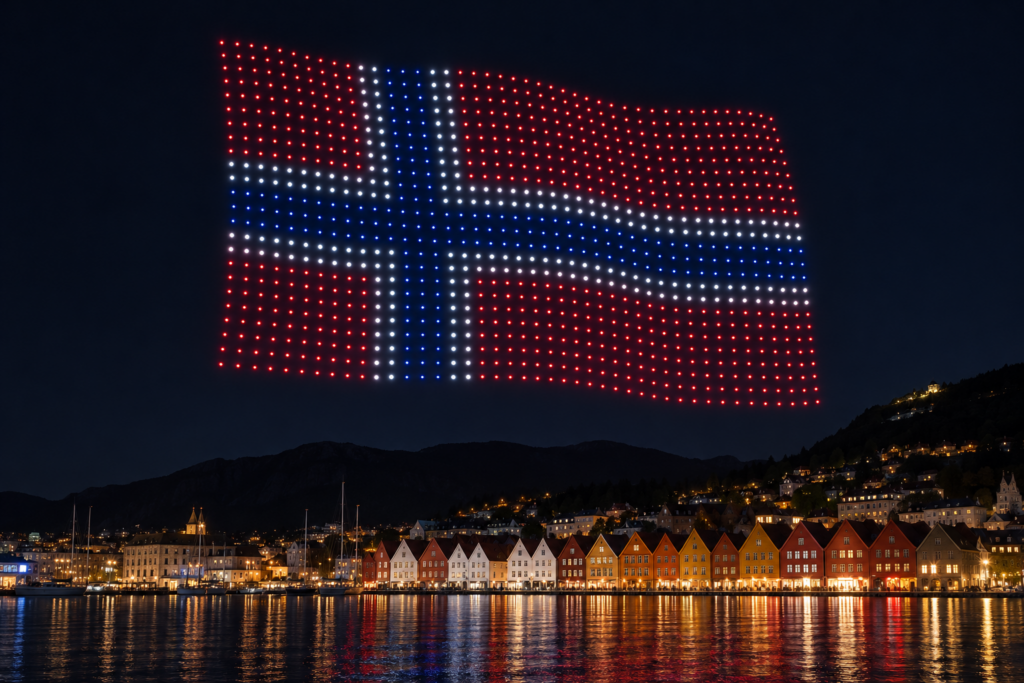
A drone show in Norway can work well as an autumn or winter celebration, a waterfront cultural event or a brand finale. Success depends on more than darkness: the operator must match the flight plan to the terrain, weather, audience and applicable permissions. Norway participates in the EASA framework, and visiting operators still need to follow the relevant Norwegian procedures.
The most useful question is therefore not simply how many drones to book. Ask where the audience will stand, what the skyline should contribute and what conditions could prevent the performance. Those answers shape both the creative concept and the production budget.
A Norwegian example light place and a shared evening
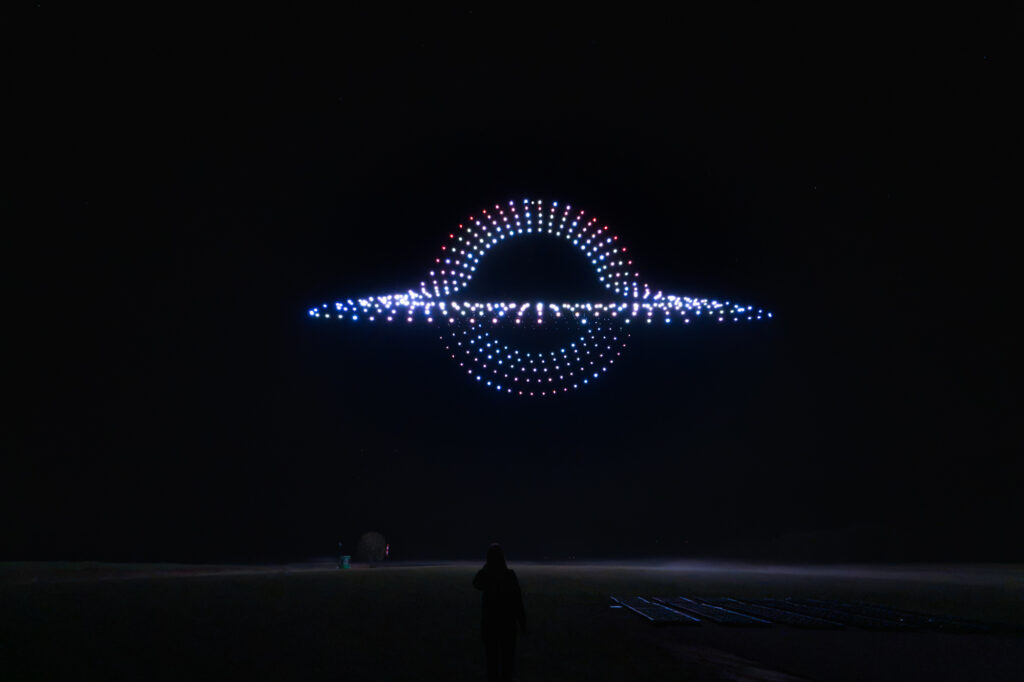
Hamar offers a useful model for connecting light with a local cultural programme. For 17 October 2026, Domkirkeodden’s programme announced a free light walk beside Mjøsa, organised by Hamar municipality with partners, with a drone show scheduled as the finale. The programme gave visitors a route to follow and a shared destination for the evening. Domkirkeodden: En lysopplevelse i høstmørket.
Droneshow AS’s account of its October 2025 Hamar production describes drones combined with dancers and other effects, with imagery related to the city. That earlier production illustrates the value of integration: the aerial images, performers and setting can work together to tell a local story. Primary provider account of the 2025 Hamar show.
Start with the season then choose the story
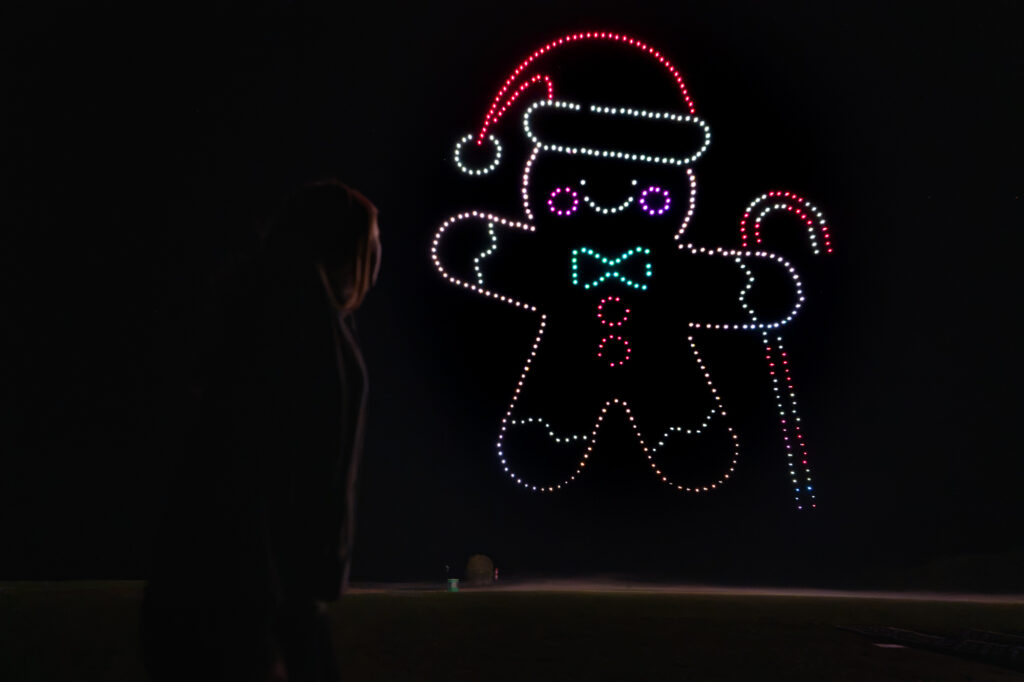
For a winter gathering, the creative brief might follow a warm, welcoming narrative: a light appears, becomes a recognisable local symbol and resolves into a shared message. A summer festival requires a different timing discussion because the available darkness varies strongly with latitude and date. Check the actual twilight window before promising that the show will fit between two performances.
Proposed applications include an Oslo business launch, a Bergen cultural celebration, a Trondheim anniversary or a northern destination event. These city names describe possibilities for assessment, not pre-approved flight sites. Each location needs its own view of airspace, terrain, public access and logistics.
For national or community celebrations, the Norwegian flag offers a clear final image: red, white and blue, with the offset Nordic cross kept readable from the chosen viewpoint. For a destination campaign, a sequence based on the actual locality is usually stronger than a generic collection of mountains and northern lights.
The setting creates four practical planning tasks

1. Establish a realistic viewing position
Rising ground can create excellent spectator views but also make an apparently flat formation look distorted. Buildings, trees and ridgelines may hide lower elements. Compare the intended flag or logo against a viewpoint model before finalising its size and orientation.
2. Treat weather as a decision process
Our recommendation is to define the weather limits, monitoring responsibility and cancellation communication before ticketing or public promotion. Wind at the show height, visibility, precipitation and icing concerns can differ from what guests feel in a sheltered square. Do not assume that a clear evening guarantees suitable flight conditions.
3. Make access and recovery practical
A fjord-side location can look spacious while leaving little usable land for equipment and secure access. Plan vehicle access, cable routes, working space and an appropriate recovery response. Include the people using nearby water, roads and footpaths in the assessment rather than considering only the ticketed audience.
4. Design for the whole audience experience
Cold-weather events need clear arrival information, sensible waiting times and accessible routes. A weather delay should not leave visitors wondering whether the performance is still happening. Decide when a postponement will be announced and what the rest of the programme offers.
How drone show regulation works in Norway
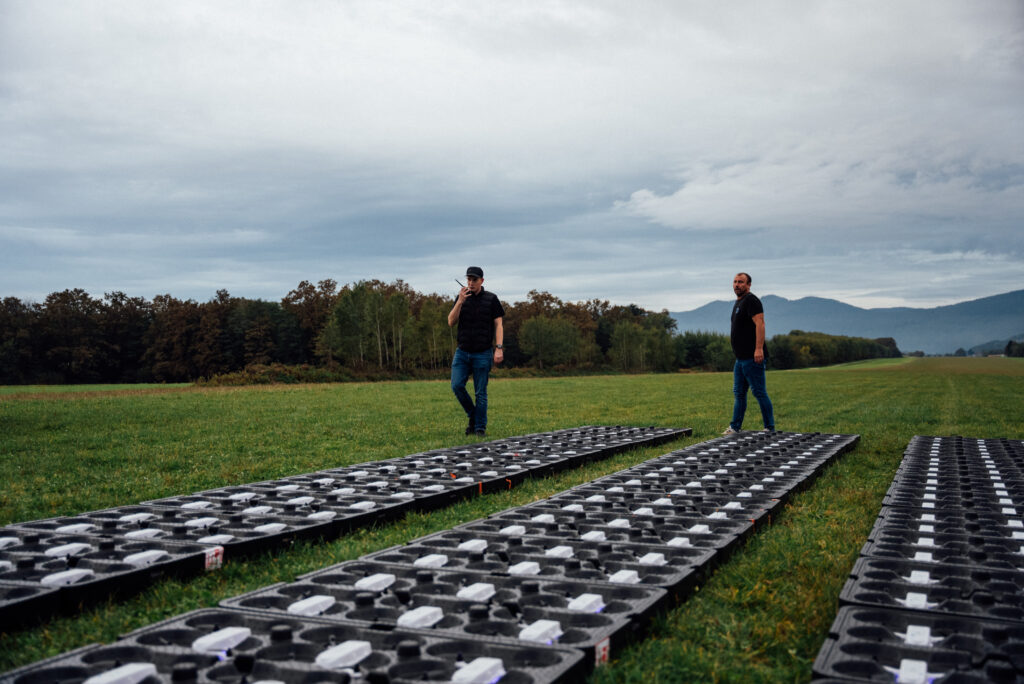
Luftfartstilsynet, the Civil Aviation Authority of Norway, explains that operations outside Open-category conditions are generally addressed through the Specific category, with different routes according to the activity. A professional swarm display normally requires an authorisation framework covering its actual control system, aircraft and operating environment. CAA Norway: Specific category.
For an operator from an EASA state using the operational-authorisation route, Norway’s published Article 13 process requires the home-state authorisation, a cross-border application, valid liability-insurance evidence and, where applicable, adapted operational-manual material. The local assessment includes airspace, terrain, population and climate. This provides a route for cross-border work; it is not automatic permission to fly anywhere in Norway. CAA Norway: applying for authorisation.
The same guidance directs operators to current no-drone zones, official NOTAM information and Norwegian aeronautical information. Separate local conditions may still control the proposed site. The approved operating volume, night procedures and audience arrangements must fit the show, including its transitions and contingency areas.
If a camera or other sensor is carried for event footage, check the Norwegian National Security Authority registration requirements identified by the CAA. This is especially useful to resolve before a production team adds an aerial camera at the last minute. CAA guidance on sensors and local procedures.
Svalbard requires a separate, particularly careful assessment. The CAA highlights local rules, wildlife, extreme conditions and limited emergency resources. A mainland Norwegian concept should not be presented as an approval template for Svalbard. CAA guidance on Svalbard-specific considerations.
What belongs in a Norwegian drone show quote
In addition to drone count and choreography, include crew travel, freight, road or ferry access where relevant, accommodation, technical working space, security and the time needed for permissions. Winter preparation and backup-date arrangements should be defined in the proposal rather than treated as assumptions.
A precise creative brief makes comparisons easier. Specify the desired images, music relationship, audience position and number of performances. Skydance’s public package guidance explains how fleet size and visual complexity influence production. A Norwegian location still needs a tailored assessment and quotation.
Consider the value of the content after the event as well. A planned camera angle can connect the aerial image to the place and provide material for a destination or brand campaign. Agree the necessary rights, permitted filming method and delivery expectations before the live performance.
Domande frequenti
Is Norway covered by EASA drone rules?
Norway participates in the EASA system, and the CAA provides an Article 13 route for eligible visiting operators. The operation must still satisfy the relevant Norwegian requirements and local conditions.
Can a drone show fly during the Norwegian winter?
Potentially. The specific equipment limits, authorisation, weather and site decide feasibility. Darkness helps the visual effect, but cold, moisture, wind or icing can prevent a flight.
Can we use a fjord or lake as the backdrop?
Potentially. Review vessels, shoreline access, spectators, environmental considerations and recovery arrangements. Water is part of the operational assessment, not an automatic safety exemption.
Are drone shows silent?
No. Drones create rotor noise, and the programme may include amplified music. A drone-only display avoids explosive pyrotechnic bursts, but noise, lighting and the wider environmental footprint still need consideration.
How early should we contact a provider?
Start while dates and venue layouts can still change. The operator should check its existing permission scope, the Norwegian process and logistics before confirming a reliable production schedule.
Discuss a drone show execution in Norway with Skydance
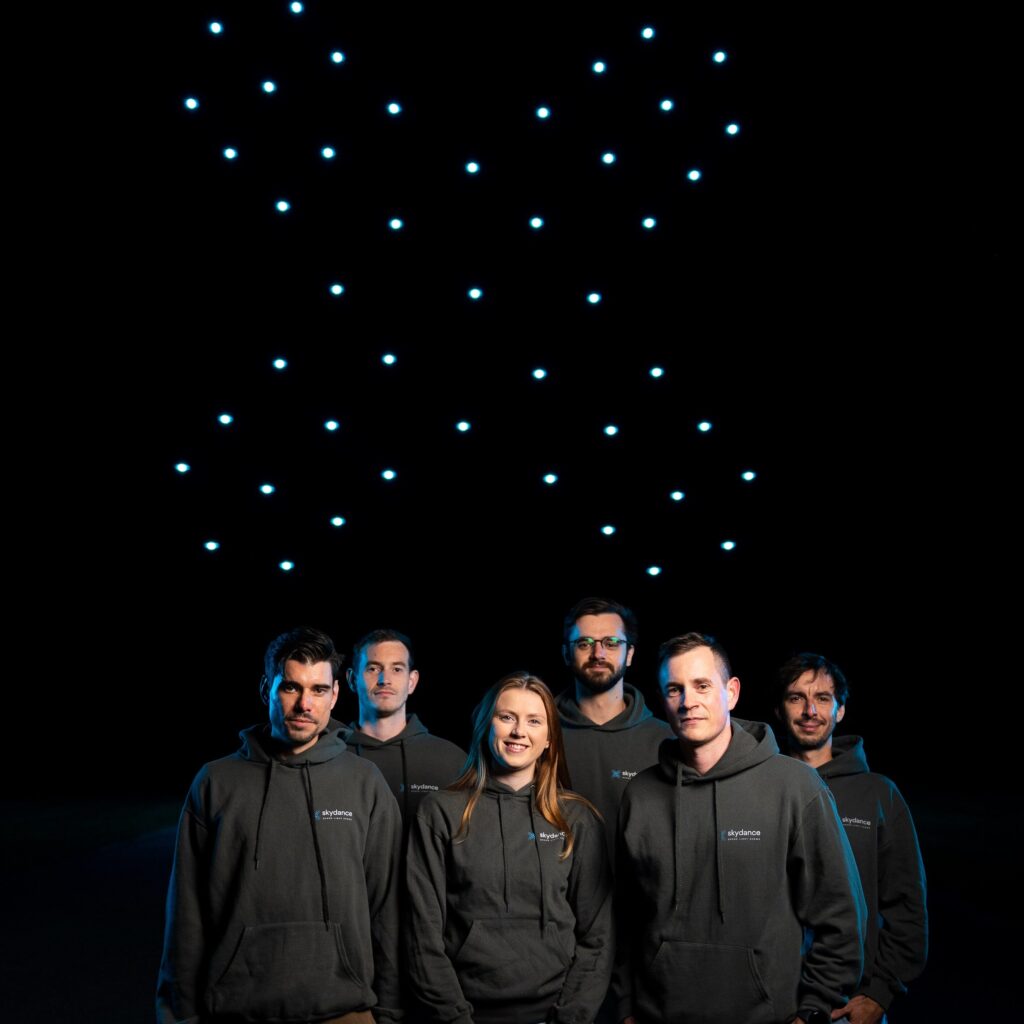
Skydance develops custom drone-show concepts and manages creative and operational production from its Slovenian base. Send the date, exact coordinates, audience estimate, initial story and any local venue contacts through our contact page. We can assess the opportunity and set out the next steps for a location-specific proposal.